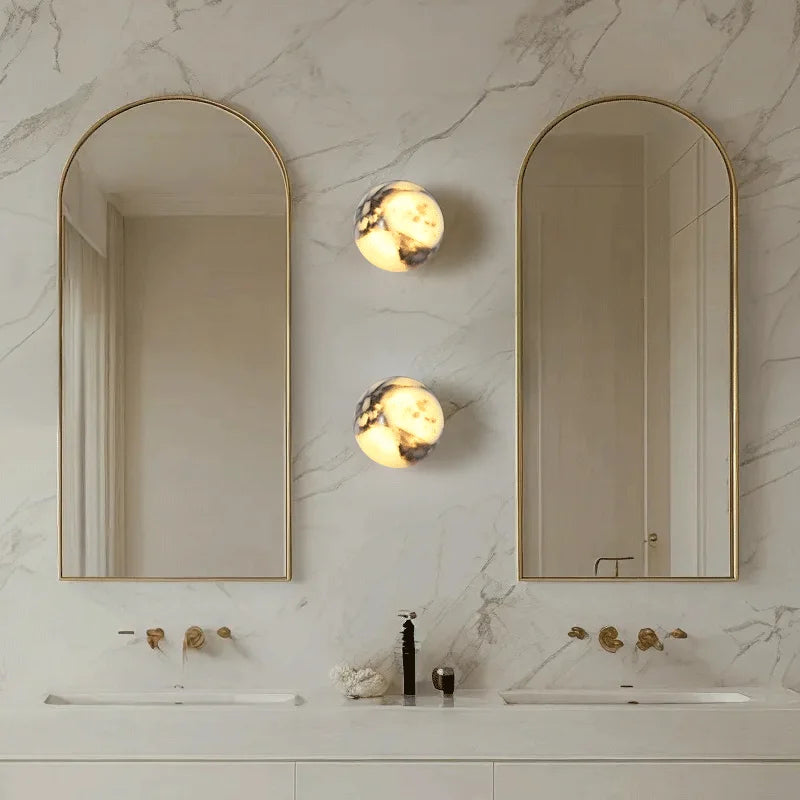
Marble side tables offer a subtle yet effective way to introduce natural stone into an interior. While smaller than a marble coffee table, a marble side table can still have a significant impact on the overall design of a space.
These compact pieces combine practicality with refined materials, making them ideal for both modern and classic interiors.
Why Choose a Marble Side Table?
A marble side table provides:
A durable surface for everyday use
A compact footprint for smaller spaces
A refined material that elevates the room
Because marble is a natural stone, each side table features unique veining and pattern.
Where to Use Marble Side Tables
Marble side tables can be used in:
Living rooms beside sofas
Bedrooms as bedside tables
Hallways as accent pieces
Lounge areas for styling
They are one of the easiest ways to incorporate marble into a space.
Marble Side Tables vs Marble Coffee Tables
While marble coffee tables act as central focal points, marble side tables are designed to complement them.
Using both together creates a cohesive interior design scheme.
Popular Marble Styles
Marble side tables are available in a variety of stones including:
Carrara marble
Calacatta marble
Nero Marquina marble
Travertine
Each offers a different tone and texture.
Explore Marble Side Tables
Explore our range of marble side tables, designed to bring natural stone and timeless materials into modern interiors.
Introduction
A marble bath is one of the most enduring pieces you can install in a bathroom. Cut from solid natural stone, it can last for decades, and with sensible care it develops character rather than wear.
Marble is also a living material. It is porous and reacts to acids, so a few simple habits make the difference between a bath that looks exactly as it did on day one and one that gradually dulls. This guide covers how to clean, seal and protect a marble bathtub, and what to do if something goes wrong.
How Do You Clean a Marble Bath?
Use warm water, a soft cloth and a pH-neutral stone cleaner. That is all a marble bath needs for routine cleaning.
Rinse the bath after each use and wipe it dry with a soft cloth. Drying matters more than most people expect, because standing water leaves limescale marks, particularly in hard water areas. Once a week, clean the surface with a pH-neutral stone cleaner, rinse thoroughly and dry.
Avoid abrasive sponges, scouring powders and stiff brushes. They scratch polished stone and dull the finish.
What Should You Never Use on a Marble Bath?
Marble is calcium-based, so acids dissolve its surface. This leaves dull patches known as etching. Avoid:
Vinegar, lemon juice and any acidic cleaner
Bleach and harsh alkaline products
Standard limescale removers, which are usually acidic
Abrasive creams, powders and scouring pads
Bath bombs, strong bath oils, coloured salts and dyes, which can stain or etch the stone
If you are unsure about a product, test it on a hidden area first, or leave it out of the bath.
Do You Need to Seal a Marble Bath?
Yes. Marble is naturally porous, so a quality impregnating sealer helps stop water, oils and colour soaking into the stone. Sealing does not make marble stain-proof or etch-proof. It buys you time to wipe up a spill before it marks the surface.
How often to reseal depends on the stone, the finish and how much the bath is used. A simple test works well. Place a few drops of water on the surface and wait about ten minutes. If the stone darkens or the water soaks in, it is time to reseal. If the water beads, the sealer is still working.
Always use a sealer designed for natural stone and follow the manufacturer’s instructions. Apply it to a clean, completely dry bath.
How Do You Remove Limescale from a Marble Bath?
Do not reach for a standard descaler. Most contain acid and will damage the stone.
Instead, prevent limescale by drying the bath after use. For existing marks, use a stone-safe limescale remover made for marble, or a gentle paste made from a stone poultice powder, and rinse well. In very hard water areas, a water softener or filter protects both the bath and your taps.
What Causes Etching, and Can It Be Fixed?
Etching is a dull, slightly rough mark where acid has dissolved the surface. It is more visible on polished and darker stones than on honed finishes, because the contrast with the surrounding polish is greater.
Light etching can often be improved with a marble polishing powder. Deeper marks need professional stone restoration, which can re-hone and re-polish the surface. Prompt action helps, so wipe up spills immediately.
How Do You Remove Stains from a Marble Bath?
The method depends on the cause. Oil-based stains, such as bath oils or cosmetics, respond to a poultice made from stone-safe powder and water. Organic stains from dyes or hair colour may need a poultice formulated for that purpose. Rust marks, usually from metal objects left on the surface, are best handled by a stone professional.
Act quickly, because the longer a stain sits, the deeper it travels. For anything stubborn, ask a stone care specialist rather than experimenting.
Everyday Habits That Protect Your Marble Bath
Wipe the surface dry after each use
Keep metal items, razors and open bottles off the bath edge
Use a stone-safe soap or bath product
Wipe up spills of perfume, hair dye, wine and cosmetics straight away
Reseal when the water test shows the stone is absorbing
Caring for Different Marble Types
All marble needs the same basic care, but the stone changes how marks show. Bright white marbles such as Carrara and Venato Carrara show stains and etching more readily, so wiping dry matters. Creamier stones such as Crema White are slightly more forgiving of surface marks. Strongly veined or darker stones, such as Calacatta Viola, hide small marks better but still etch.
Explore our marble bath collection to see the full range:
Turkish Calacatta Viola Marble Freestanding Bath
Venato Carrara White Marble Freestanding Bath
Crema White Marble Freestanding Bath
Planning a Marble Bath?
If you are still choosing, read our guide to how much a marble bath costs in the UK and our freestanding marble bath guide. Solid marble is also much heavier than acrylic, so read about floor loading before you order. For projects in the Gulf, see our guide to luxury marble baths for Dubai, the UAE and the Middle East.
Hotels, developers and designers can start an enquiry through our trade enquiries page.
Introduction
Stone has shaped the architecture of the Middle East for centuries, from palace courtyards to hammam interiors. Today it is just as central to the region’s most considered homes and hotels.
A marble bath carries that tradition into the bathroom. Cut from natural stone, it brings veining, weight and a cool, tactile surface that no acrylic or composite bath can match. This guide covers what to consider when choosing a luxury marble bath for a villa, penthouse or hospitality project in Dubai, the UAE and the wider Middle East.
Why Marble Baths Suit Middle Eastern Interiors
Marble suits warm climates. The stone stays naturally cool to the touch, which makes a marble bath a calm, restorative centrepiece in a region where interiors are designed around light, space and material quality.
Marble also fits the palette of modern Gulf interiors: pale stone, warm metals, dark timber and soft layered lighting. A freestanding marble bath works as a sculptural object as much as a piece of sanitaryware, which is why it suits master suites, spa-style bathrooms and statement penthouse schemes.
Every bath is cut from natural stone, so no two carry identical veining. Each installation is one of a kind.
Marble Baths for Villas, Penthouses and Residences
In a villa or penthouse, the bath is often the focal point of the master bathroom. Placed beneath a window, on a plinth of matching stone or at the centre of an open-plan wet room, it sets the material tone for the whole space.
Our marble bath collection includes freestanding designs crafted from genuine natural stone, each with its own character.
The Turkish Calacatta Viola Marble Freestanding Bath is the statement choice. Its rich, dramatic veining makes the bath the centrepiece of the room, ideal for a master suite or penthouse bathroom designed around a single bold material.
For calmer, more restrained schemes, the Venato Carrara White Marble Freestanding Bath offers a bright white stone with soft veining. It suits light, serene bathrooms with pale stone, warm metals and natural timber.
The Crema White Marble Freestanding Bath brings a warmer tone to the room. Its softer, creamier palette suits Gulf interiors built around sand, travertine and brushed brass, where a stark white would feel too cold.
Solid marble is far heavier than acrylic or composite, which matters in apartments and upper floors. We provide the weight of every model so your structural engineer can check floor loading before installation.
Choosing the Right Marble for Your Bath
Stone choice shapes the character of the whole room, so it is worth deciding before the bath itself.
Calacatta Viola is the boldest option. Strong veining turns the bath into a sculptural focal point.
Venato Carrara is the lightest and calmest. Its soft veining suits minimal, spa-style bathrooms.
Crema White is the warmest. Its creamy tone pairs well with brass, bronze and natural timber.
Request a sample before specifying. Natural variation is part of the material, and seeing the stone in your own light is the best way to choose with confidence.
Marble Baths for Hotels, Spas and Hospitality
In hospitality, a marble bath communicates quality the moment a guest enters a suite. It signals permanence and craftsmanship in a way that mass-produced baths cannot, and it photographs beautifully for brand and marketing imagery.
For hotel and serviced residence projects, consistency matters as much as beauty. We handle pricing, specification and delivery from first enquiry to final placement, so your team deals with one person who knows the scheme. Hotels, developers and designers can start an enquiry through our trade enquiries page.
Delivery to Dubai and the Middle East
Marble is heavy, and moving it is a specialist job. Our white-glove service carries each piece into the room where it belongs, unpacks it, places it in position and removes the packaging.
Every piece is made to order. Production takes around 45 to 55 days once your order and design drawings are confirmed. Sea freight to Dubai then takes around 30 days door to door, while air freight suits lighter orders. These are estimates, so contact us for a timeline specific to your project.
Caring for a Marble Bath
Marble is durable but porous, so a little care keeps it looking its best, particularly in areas with hard water. Wipe the surface dry after use to prevent limescale marks. Clean with a pH-neutral stone cleaner rather than acidic or abrasive products. Reseal the stone periodically as advised for your finish.
Complete the Bathroom with Natural Stone Lighting
A marble bath pairs naturally with warm, soft lighting. Our marble wall lights, such as the Siena Marble Column Wall Light, carry the same natural stone language across the room. Always confirm that any bathroom fitting meets the correct IP rating for its installation zone.
Explore Our Marble Bath Collection
Explore the full marble bath collection to find the right piece for your project. For design inspiration on pairing stone lighting with your scheme, read our guide to luxury marble lights.
Marble is durable but porous, so for full cleaning and sealing advice, read our guide to caring for a marble bath.
Introduction
On a project, lighting is rarely chosen for looks alone. It has to be specified early, repeated across multiple rooms, delivered on schedule and still look considered when the scheme is photographed.
Natural stone lighting meets all of these requirements. Marble wall lights and pendant lights carry material quality that ceramic, glass and resin cannot, and they extend a natural palette across a whole development, hotel or residence. This guide covers how marble lighting is used in trade projects and what to consider before specifying it.
Why Marble Lighting Suits Project Work
Most trade interiors rely on a restrained material palette: stone, oak, plaster and linen. A manufactured light fitting in that palette reads as an interruption. A genuine marble light reads as part of the scheme.
Each piece is cut from natural stone, so veining varies from fitting to fitting. In a repeated installation, that variation makes a run of lights feel curated rather than mass-produced.
Marble Lighting for Hotels and Hospitality
In hospitality, lighting sets the atmosphere guests pay for. Marble wall lights give corridors and guest rooms warmth and material depth without added visual clutter.
The Roma Marble Vertical Wall Light works well in sequence along a corridor wall, creating a steady lighting rhythm. In guest rooms, the Aurora Round Marble Wall Light installed either side of a headboard replaces bedside lamps, which frees up surface space and simplifies the room layout.
For lobbies, bars and restaurants, the Roma Marble Dome Pendant Light offers a sculptural focal point. Its natural stone dome glows softly while casting warm light below.
Marble Lighting for Property Developers and Show Homes
Show homes sell the lifestyle of a development, and lighting is one of the quickest ways to signal quality. Entrance halls and staircases are the first spaces buyers see, which makes them the best place to invest.
The Siena Marble Column Wall Light gives hallways a strong vertical line that makes the space feel taller and more generous. In kitchens and dining areas, the Siena Marble Slim Pendant Light suits islands, while the Siena Marble Column Pendant Light anchors a dining table with a more architectural presence.
Specifying one material family across wall and ceiling lighting also keeps a scheme cohesive from plot to plot.
Working With Interior Designers and Architects
Designers and architects need clear specifications, material consistency and a single point of contact. We offer bespoke sizes and stone choices to match a scheme, and one person handles your project from enquiry to delivery.
For a closer look at how designers specify natural stone lighting in residential schemes, read our guide on how interior designers use marble wall lights.
What to Know Before Specifying Marble Lighting
A few practical points help projects run smoothly:
Natural variation is part of the product. Veining and tone differ between pieces, so request a sample before committing to a full order.
Bathrooms need the correct IP rating. Always confirm the fitting suits the installation zone under UK electrical regulations.
Plan lead times early. Natural stone lighting is made to order, so build production and delivery into your programme. Current timelines are on our trade page.
Become a Founding Trade Partner
We are selectively onboarding our first trade partners across the UK, Europe and the Middle East. Founding partners receive trade pricing, early access to new collections and stone options, and the chance to have their project photographed and featured on our website and social channels.
Visit our trade enquiries page to start an enquiry, or explore the marble wall lights collection and marble pendant lights collection to see the full range.
For show homes and developments, our guide to marble wall lights for hallways and staircases explains how to light the first spaces buyers see.